
Turn on Num Lock with Ubuntu 22.04
Install the Package
sudo apt update && sudo apt install numlockxTurn on Num Lock
numlockx onWindows 11 License / Serial Number – How to transfer
Moving Your Windows 11 License to Another Computer
1. Verify Your License Type
- Retail keys can be transferred.
- OEM keys are tied to the original hardware—not transferable.
- Digital entitlement licenses link to your Microsoft account and may auto-reactivate on new hardware.
2. Extract Your Product Key
Open an Administrator Command Prompt and run:
wmic path softwarelicensingservice get OA3xOriginalProductKeyIf that returns blank, try in PowerShell (Admin):
(Get-WmiObject -Query 'select * from SoftwareLicensingService').OA3xOriginalProductKeyIf still blank, you likely have a digital-only license—no key is needed; just sign in on the new PC with your Microsoft account.
3. De-register on the Old PC
In an elevated Command Prompt, run:
slmgr.vbs /upkThis uninstalls the key from the old machine, freeing up the license.
4. Install & Activate on the New PC
Option A: Command Line
Open Admin Command Prompt and run:
slmgr.vbs /ipk YOUR-25-CHAR-KEY-HERE
slmgr.vbs /ato
Option B: Settings UI
Go to Settings > System > Activation > Change product key, paste your key, and follow the prompts.
If activation fails, confirm you have a Retail license (Settings > System > Activation) or contact Microsoft support for a manual transfer.
Benchmark Ubuntu
Launch the following GUI tool from the command line
sudo apt update
sudo apt install hardinfo
hardinfoInstall Python3 on RHEL Servers
Make sure it's a RHEL Server
[haguxsndapp02 ~]$ cat /etc/*-release
NAME="Red Hat Enterprise Linux Server"
VERSION="7.9 (Maipo)"
ID="rhel"
ID_LIKE="fedora"
VARIANT="Server"
VARIANT_ID="server"
VERSION_ID="7.9"
PRETTY_NAME="Red Hat Enterprise Linux Server 7.9 (Maipo)"
ANSI_COLOR="0;31"
CPE_NAME="cpe:/o:redhat:enterprise_linux:7.9:GA:server"
HOME_URL="https://www.redhat.com/"
BUG_REPORT_URL="https://bugzilla.redhat.com/"

REDHAT_BUGZILLA_PRODUCT="Red Hat Enterprise Linux 7"
REDHAT_BUGZILLA_PRODUCT_VERSION=7.9
REDHAT_SUPPORT_PRODUCT="Red Hat Enterprise Linux"
REDHAT_SUPPORT_PRODUCT_VERSION="7.9"
Red Hat Enterprise Linux Server release 7.9 (Maipo)
Red Hat Enterprise Linux Server release 7.9 (Maipo)
Install Python3
sudo yum install epel-release
sudo yum install python36Touch ID Stopped working on MacBook
You need to reset your secure token.
sysadminctl -secureTokenStatus mlr
sysadminctl -secureTokenOff mlr -password - -adminUser Manamana -adminPassword -
sysadminctl -secureTokenStatus mlr
sysadminctl -secureTokenOn mlr -password - -adminUser Manamana -adminPassword -
sysadminctl -secureTokenStatus mlr
On a Mac, a Secure Token is a crucial account attribute that enables users to perform specific, system-level operations, particularly those related to FileVault encryption and system security. It's essentially a permission that allows a user to manage and decrypt encrypted data on the Mac.
Here's a more detailed explanation:
Purpose:
Secure Tokens are used to authorize users to manage FileVault, which is Apple's built-in encryption feature. This includes enabling and disabling encryption, as well as decrypting the system drive.
PDF OCR
This website does a great job of converting a PDF to an OCR PDF so you can search for text.
Docker Ask Gordon
From the command line, sample
docker ai can I containerize this application?Docker has an Docker MCP Toolkit
https://www.docker.com/blog/announcing-docker-mcp-catalog-and-toolkit-beta/
Cursor Generate Cursor Rules
Automated and improved rules
You can now generate rules directly from a conversation using the /Generate Cursor Rules command. This is useful when you want to capture the existing context of a conversation to reuse later.
Opening msg Outlook files in Ubuntu or Linux Mint
Opening .msg Outlook files in Ubuntu or Linux Mint
Refer: https://freeelectron.ro/opening-msg-outlook-files-in-ubuntu-or-linux-mint/
Works okay, attachments are messed up.
Use this viewer instead and attachments might work.
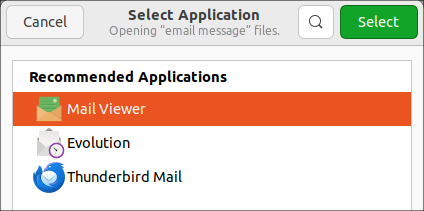
To install msgconvert, open a shell, then type:
sudo apt-get install libemail-outlook-message-perlThen cd to the folder where you have the .msg file or files, then type:
msgconvert *.msg